Stainless Steel Sand Filters: 304 vs 316 Grade & Selection Guide
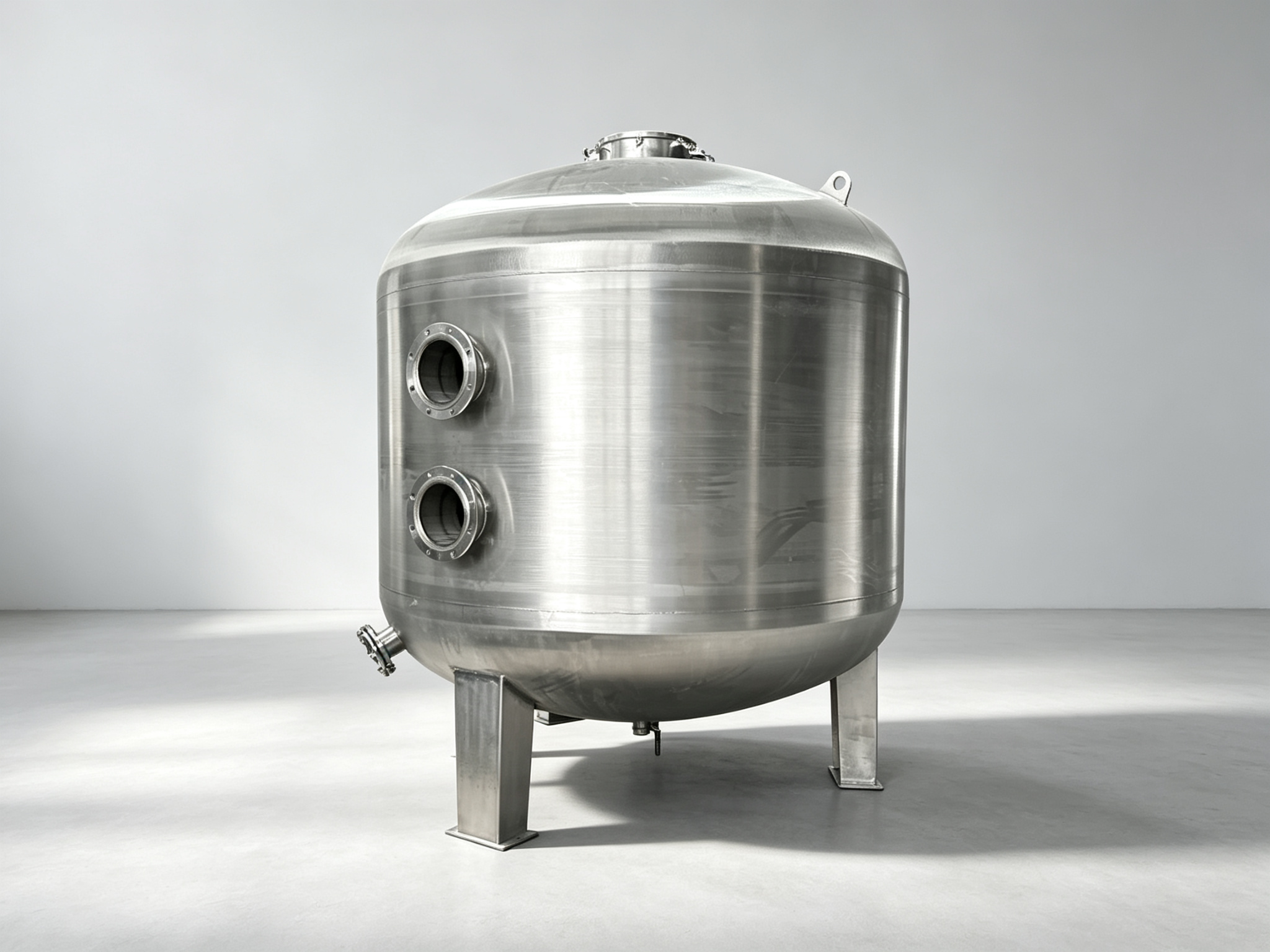
When choosing a sand filter, many contractors and project owners compare fiberglass and stainless steel options. Stainless steel sand filters offer superior strength, longer service life and better temperature/corrosion resistance, making them the first choice for high-end pools, hot springs, aquaculture and heavy-duty commercial applications. This guide covers types, material differences and sizing to help you choose the right filter.
Common Stainless Steel Sand Filter Types
Stainless steel filters are categorized by three factors to suit different installations:
By mount type
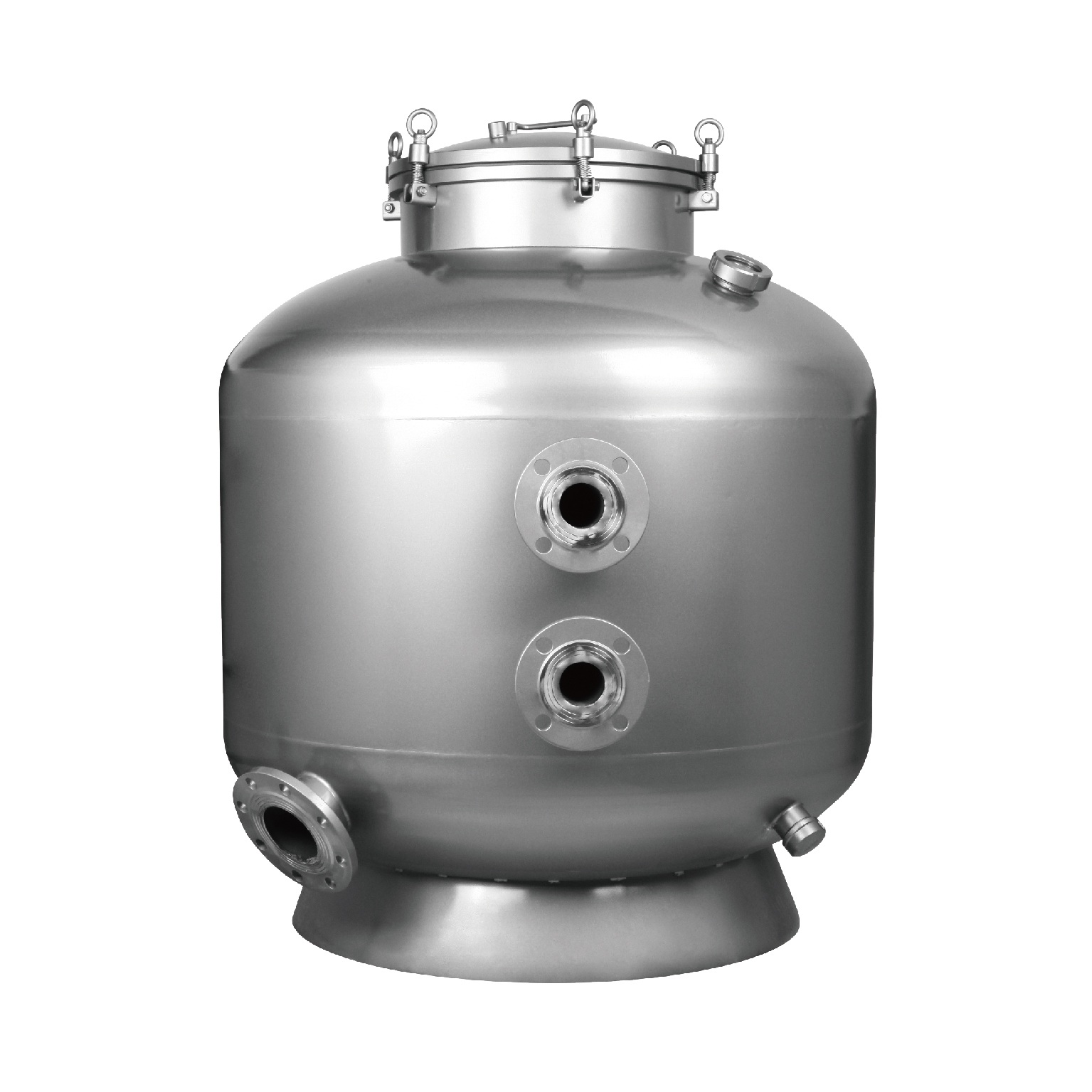
Top-mount: Multiport valve on top of the tank, simple installation and maintenance, the standard option for most equipment rooms.
Side-mount: Valve mounted on the tank side, lower overall height, ideal for equipment rooms with limited ceiling height.
By material grade
304 stainless steel: Standard grade, suitable for general fresh water pools, SPAs and standard water treatment.
316 stainless steel: Upgraded grade with higher chloride and corrosion resistance, designed for seawater pools, saltwater pools, aquaculture and high-corrosion water.
By construction
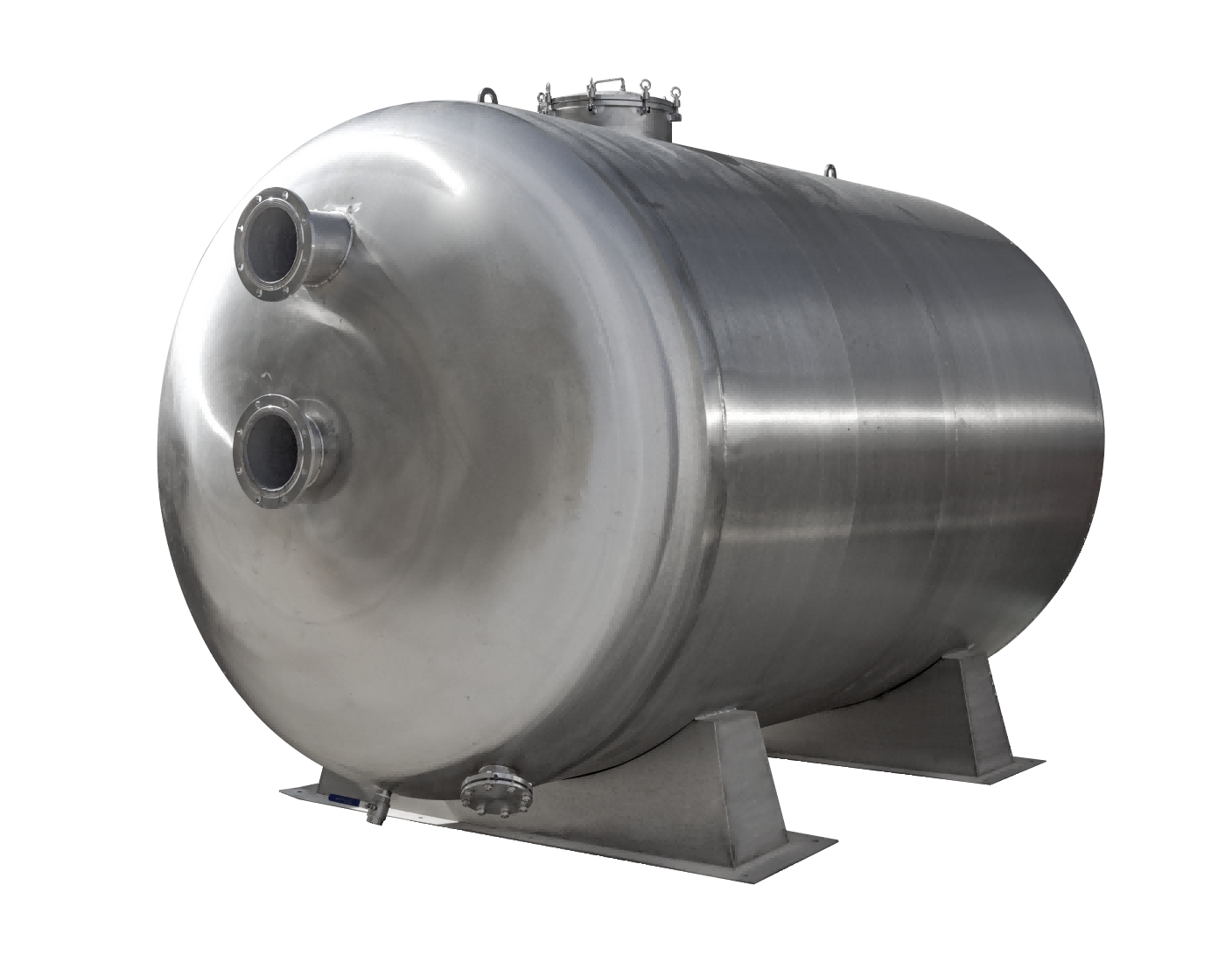
Welded: Traditional full-welded construction, cost-effective for standard applications.
Flanged: Bolted flange connection for easy disassembly, simpler maintenance and media replacement.
Key Benefits of Stainless Steel Sand Filters
Compared to fiberglass or plastic filters, stainless steel offers clear advantages for commercial and high-end projects:
✅ Long service life: High-strength stainless steel does not age or degrade from UV exposure, with a 15-20 year service life, compared to 8-12 years for fiberglass filters.
✅ Dual anti-corrosion treatment: Tanks are polished internally and brushed/painted externally. Our large-diameter filters receive additional shot blasting and fluorocarbon coating inside and out, for excellent resistance to high chlorine and mineral-rich water in hot spring and bath applications.
✅ High pressure rating: Uniform wall thickness delivers a standard 2.5bar working pressure, higher than standard fiberglass filters, suitable for high-flow commercial systems.
✅ Consistent filtration: Dual upper and lower water distribution ensures even flow through the media bed, no dead zones for stable water quality.
✅ Easy operation and maintenance: Standard 6-way multiport valve for simple switching between filtration, backwash, waste and recirculation. Large tanks include manways for easy media replacement and internal inspection.
✅ Full range & custom options: Available from small residential sizes up to 2.5m+ diameter industrial tanks, with custom material, connection and size options available.
✅ Premium finish: Brushed stainless steel finish is clean and attractive, suitable for surface mounting in high-end venues.
304 vs 316 Stainless Steel: Which Do I Need?
There is a 20-30% price difference between grades; choose based on your water type:
For standard fresh water pools, SPAs, landscape water and general circulation: 304 stainless steel is sufficient and most cost-effective.
For seawater pools, salt chlorinated pools, aquaculture, aquariums and high-corrosion industrial water: choose 316 stainless steel for superior chloride resistance, to prevent rust and leaks over long-term use.
Stainless Steel vs Fiberglass Sand Filters
| Feature | Stainless Steel Sand Filter | Fiberglass Sand Filter |
|---|
| Service Life | 15-20 years, no UV aging | 8-12 years, degrades with outdoor UV exposure |
| Pressure Rating | High, ideal for high-flow commercial systems | Medium, suitable for small to medium systems |
| Temperature Resistance | Excellent, suitable for hot springs and high-temperature water | Moderate, not recommended for continuous use above 40°C |
| Cost | Higher upfront investment | Lower upfront cost, budget-friendly |
| Finish | Premium metal appearance, ideal for visible installation | Multiple color options, lightweight |
| Installation | Heavier, may require lifting equipment for large tanks | Lightweight, easy to transport and install |
In short: choose fiberglass for budget small to medium pools; choose stainless steel for high-end projects, hot springs, seawater and heavy commercial use for lower long-term maintenance.
Sizing Guide by Application
Residential villa pools: 400-650mm diameter top-mount 304 stainless filters, compact and attractive.
Hotels, public pools (small/medium commercial): 700-1000mm diameter, single tank sufficient for standard turnover.
Water parks, large pool complexes: 1200mm+ diameter, multiple tanks installed in parallel for high flow.
Aquaculture, seawater, high-corrosion use: 316 stainless steel, sized to match your total water volume.
Installation & Maintenance Tips
✅ Backwash when the pressure gauge shows a 0.5bar pressure rise from clean operation.
✅ Adjust backwash frequency based on water quality; run until waste water runs clear.
✅ Inspect tank corrosion and valve seals annually.
✅ Use 0.5-0.8mm silica sand as standard media; replace every 2-3 years for best filtration.
✅ Drain all water from the tank during winter shutdown to prevent freeze damage.
While stainless steel filters have a higher upfront cost, their long service life, low failure rate and minimal maintenance make them a reliable choice for demanding water treatment projects. We offer a full range of standard and custom stainless steel sand filters, including large-diameter and special material options; contact us for specifications and pricing.